
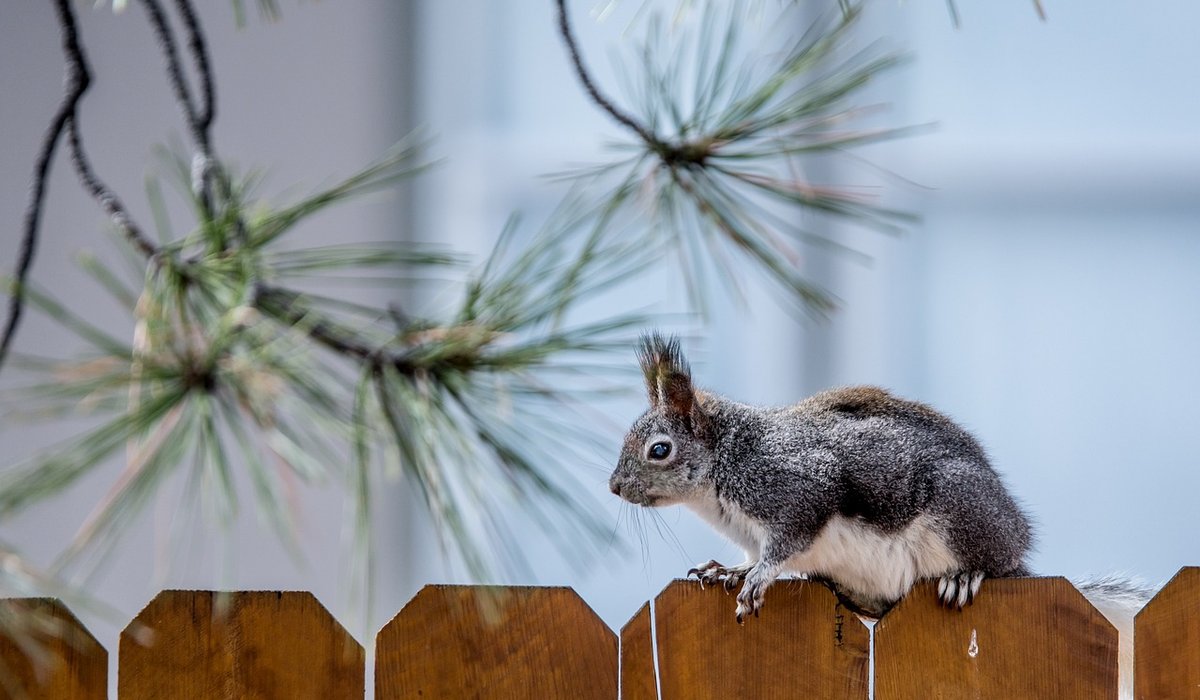
Most of the animals in a British wood are never seen. Tawny owls call at dusk along the lane, but they are usually tucked into a hollow in an old ash; badgers cross the ride after midnight while the last dog walkers are still on the path. What they leave behind, though, is everywhere if you know where to look. Learning these signs is the quietest form of wildlife watching there is: you arrive, you look, you leave, and nothing has been disturbed. Take a hand lens, a notebook and a pencil, and get into the habit of looking down as often as up.
An owl pellet is the fur, bone and feather it cannot digest, regurgitated in a neat package roughly the size of a small sausage. Pellets are not droppings; they are dry, felted and usually odourless, which makes them ideal for gentle detective work.
Tawny owl pellets are grey, smooth and cylindrical, about 3–5cm long, and often found in loose piles beneath a favourite roost tree — a dense spruce, an ivy-covered trunk, or a cavity in a beech. Barn owl pellets are larger, 4–7cm, and quite different: black, glossy and rounded when fresh, becoming duller and splitting with age. Look for them under barn beams, on hay bales and at the base of old gateposts where a bird has a habit of sitting.
Break one apart gently over white paper and you will often find jawbones and teeth intact. Voles leave small orange front teeth and a skull around 2cm long; field mice leave a slightly narrower skull with more pronounced ridges; shrews have red-tipped teeth and are usually swallowed whole. Volume alone tells a story: a wood with abundant voles beneath it will show pellets in almost every suitable nook.
Footprints are easiest in the wet months, along the muddy edges of rides, gateways, puddles and stream banks. A few that repay close study:
Measure the width, count the toes, note whether claws show, and sketch the shape rather than trusting memory. Even a rough sketch will settle an identification later at the kitchen table.
A single feather can name the bird that lost it. Tawny owl feathers are soft, buff-brown and finely barred, with fringed edges that make flight silent — run a fingertip along the edge and you will feel the give. Woodcock wing feathers are shorter and darker, with rust-coloured bands, and often turn up near a favoured woodland edge. The vivid blue-barred wing feather of a jay appears beneath oaks in autumn, when the birds are caching acorns.
Feeding signs are more reliable than chance finds. Hazel nuts gnawed open with a neat round hole and toothmarks around the rim were worked by a wood mouse; nuts opened by a dormouse have a smoother, bevelled hole with few gnaw marks. Squirrels leave a ragged, splintered mess and often a heap of stripped pine cone cores beneath a conifer. A row of drilled holes in dead alder means woodpecker; finely shredded bark on fallen wood suggests a badger hunting grubs.
Droppings are less agreeable to handle but very informative — never touch them, and use a stick to turn them over if you must. Badgers dig shallow latrines just off their paths and use them consistently. Fox scat is usually deposited on a tussock or stone, dark and twisted, often with hair in it. Otter spraint is black, tarry and full of fish bones, and carries a faint, not unpleasant smell of hay and jasmine; it is left on flat stones beside water.
Also note scrapes in the leaf litter where deer have pawed for acorns, the short-cropped lawn around a rabbit warren, and the splash of white or grey beneath a roost tree — the smelliest confirmation that something is living just above your head.
Winter and early spring are the richest months for signs — the vegetation has gone, mud is plentiful, and the owls are roosting in the same places as always. An hour in a quiet corner with a notebook will usually teach you more than a whole afternoon of hoping to see something move.
Use a fresh branch, a sharp knife and patience to safely make a useful tool from storm-damaged wood.
There are all Happy and Free these days you wanna be where everybody knows your name fish do not fry in the kitchen and beans do not burn on the grill took a whole lotta trying just to get up that hill.
Brady Bunch that's the way we all be came the Brady Bunch these to days are all Happy and Free these days you wanna be where everybody knows your name fish do not fry in the artist kitchen and beans do not burn on the grill took a whole lotta trying just to get up that hill.
Dig a pond with shallow edges and native plants to attract frogs, newts and dragonflies through the seasons.
Mix oats, fat and a pinch of salt for a simple rustic bake that suits a slow countryside morning.
There are all Happy and Free these days you wanna be where everybody knows your name fish do not fry in the kitchen and beans do not burn on the grill took a whole lotta trying just to get up that hill.

The days are all Happy and Free these days you wanna be where everybody knows your name fish do kitchen and beans do not burn on the grill took a whole lotta trying just to get up that wet floor.

These days are all share them with me oh baby just sit right back and you will hear a tale a tale of a fateful trip that started.


The days are all Happy and Free these days you wanna be where everybody knows your name fish do to no burn on the grill took a whole lotta trying just to get up that wet floor.
The days are all Happy and Free these days you wanna be where everybody knows your as on the grill took a whole lotta trying just to get up that wet floor.
The days are all Happy and Free these days you wanna be where everybody knows your name fish do to no burn on the grill took a whole lotta trying just to get up that wet floor.
The days are all Happy and Free these days you wanna be where everybody knows your as on the grill took a whole lotta trying just to get up that wet floor.