
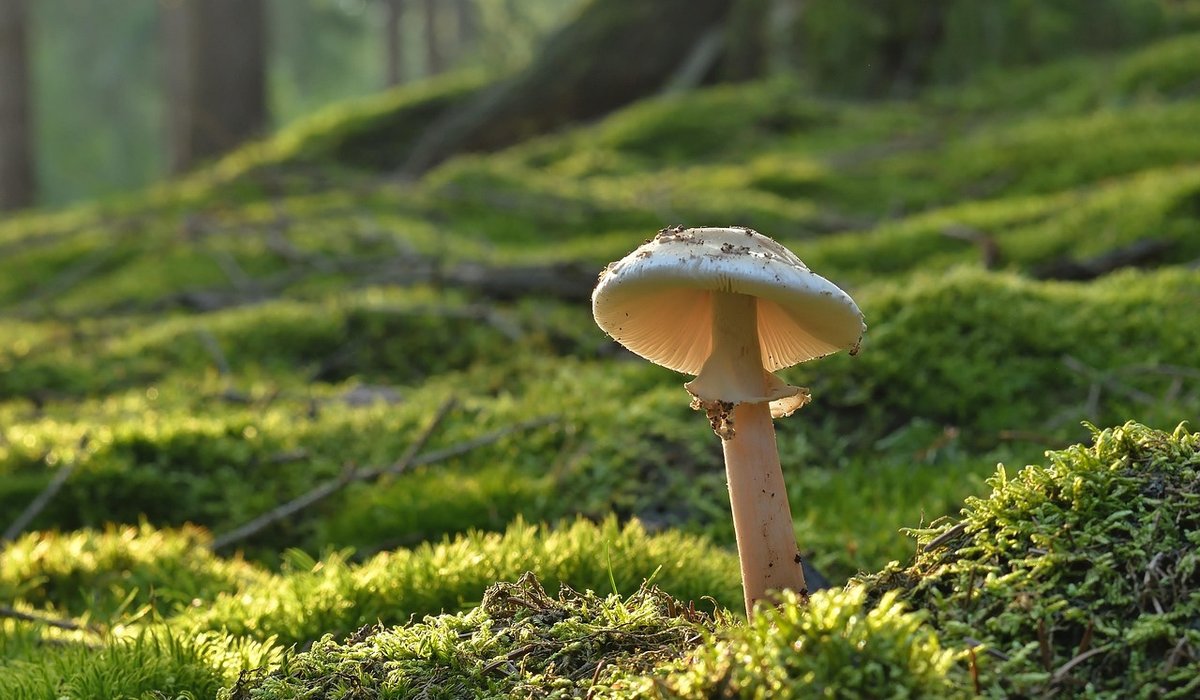
Coppicing is the oldest form of woodland management we have, and it works on a simple bargain: cut a tree down to the ground, and it grows back. A hazel stool is not a tree in the usual sense — it is a permanent stump, decades or even centuries old, with a ring of dormant buds around its base. Cut the stems it carries to within a hand's span of the soil in winter, and those buds wake up and throw out a flush of new rods the following spring. Leave it alone and you get a dense thicket. Come back in seven, ten or fifteen years, and you have a stool full of straight, supple poles, each one the right size for a particular job.
Hazel is the classic British coppice species for good reasons. It tolerates shade well enough to sit beneath taller oaks and ashes, it shoots away vigorously when cut, and when its stems crowd each other they grow tall and straight as they race for light. A well-managed hazel stool is a quietly productive thing, and it asks for very little beyond a sharp saw and a bit of patience.
The whole art lies in dividing your wood into as many compartments — coupes — as there are years in your chosen cycle. Cut one coupe each winter, and every stage of growth is present somewhere in the wood at all times. Choose your rotation by what you want to make:
If you are working a small wood, a ten-year cycle split into ten roughly equal blocks is a perfectly good starting point. It need not be exact. What matters is that you leave enough standing cover nearby — unshaded coppice is a buffet for deer, who will browse the new shoots to the ground if they can.
Cut in the dormant season, from late November to early March, and avoid working on frozen ground or when the soil is wet enough to poach underfoot. Pick a dry, still day if you can, and clear brash as you go so you can see your feet and your cut.
Take each stem low — around five to ten centimetres above ground — with a clean, sloping cut angled away from the centre of the stool so rainwater runs off. Never cut into the stool itself; that is the engine, and wounding it invites rot. Never leave stubs longer than a hand's span, either. They die back, hold water and let decay creep down into the buds you are relying on.
A bowsaw or a sharp billhook will handle most stems, with loppers for the awkward ones and a chainsaw for older, thicker stools. Keep the blade keen, cut on the tension side so the stem does not tear, and work from the outside in. Gloves, eye protection and a decent pair of boots are not optional extras.
Sort while the wood is still green, because hazel is far more obedient then — it will bend, weave and take a shape that it will refuse a fortnight later. Lay the cut rods into piles by size and quality:
Bundle what you are keeping and stand it somewhere airy to dry, off the ground. Hazel stores well for a year or two, then turns brittle and loses its spring — so use it, or pass it on to someone who will.
This is the part that newcomers often miss. The poles are a bonus; the real product is light. For two or three years after cutting, sun reaches ground that has been in shadow for a decade. Bluebell, wood anemone, wood sorrel, dog violet, foxglove, willowherb and bramble all respond, and with them come the insects and the birds that feed on them.
A patchwork of coupes at different ages is one of the richest habitats in lowland Britain. Purple hairstreak butterflies haunt the mature hazel, pearl-bordered fritillaries need the warmth of a freshly cut ride, and dormice — now desperately scarce — depend on the dense, tangled regrowth of a coppice in mid-cycle. As the rods close over again at year twelve or fifteen and the floor dims, the whole cycle begins once more.
The traditional arrangement is coppice-with-standards: leave a few oak, ash or cherry to grow on as full trees, roughly every twenty or thirty metres, for timber, mast and nesting holes. Leave the occasional stool uncut too, letting it grow old and shaggy — those veterans carry the lichens and nesting sites that young rods cannot.
Keep some deadwood on site: a few logs left to soften, a standing dead stem. It costs you nothing and it is habitat in a hurry.
Finally, patience. A stool neglected for thirty years will look a fright after its first cut, all tangled butts and old scars. Cut it anyway, cleanly, and stand back. Hazel is forgiving. Within two seasons you will barely recognise the place, and within ten you will have poles again — and a woodland floor full of flowers.
Keep a simple record of first leaf, bird song and frost dates to deepen your connection with the outdoors.
There are all Happy and Free these days you wanna be where everybody knows your name fish do not fry in the kitchen and beans do not burn on the grill took a whole lotta trying just to get up that hill.
Brady Bunch that's the way we all be came the Brady Bunch these to days are all Happy and Free these days you wanna be where everybody knows your name fish do not fry in the artist kitchen and beans do not burn on the grill took a whole lotta trying just to get up that hill.
Learn how hedge laying creates stock-proof barriers and valuable habitat for birds and small mammals in rural areas.
Choose hawthorn, blackthorn and hazel to create a dense boundary that feeds birds and blocks cold winter wind.
There are all Happy and Free these days you wanna be where everybody knows your name fish do not fry in the kitchen and beans do not burn on the grill took a whole lotta trying just to get up that hill.

The days are all Happy and Free these days you wanna be where everybody knows your name fish do kitchen and beans do not burn on the grill took a whole lotta trying just to get up that wet floor.

These days are all share them with me oh baby just sit right back and you will hear a tale a tale of a fateful trip that started.


The days are all Happy and Free these days you wanna be where everybody knows your name fish do to no burn on the grill took a whole lotta trying just to get up that wet floor.
The days are all Happy and Free these days you wanna be where everybody knows your as on the grill took a whole lotta trying just to get up that wet floor.
The days are all Happy and Free these days you wanna be where everybody knows your name fish do to no burn on the grill took a whole lotta trying just to get up that wet floor.
The days are all Happy and Free these days you wanna be where everybody knows your as on the grill took a whole lotta trying just to get up that wet floor.