
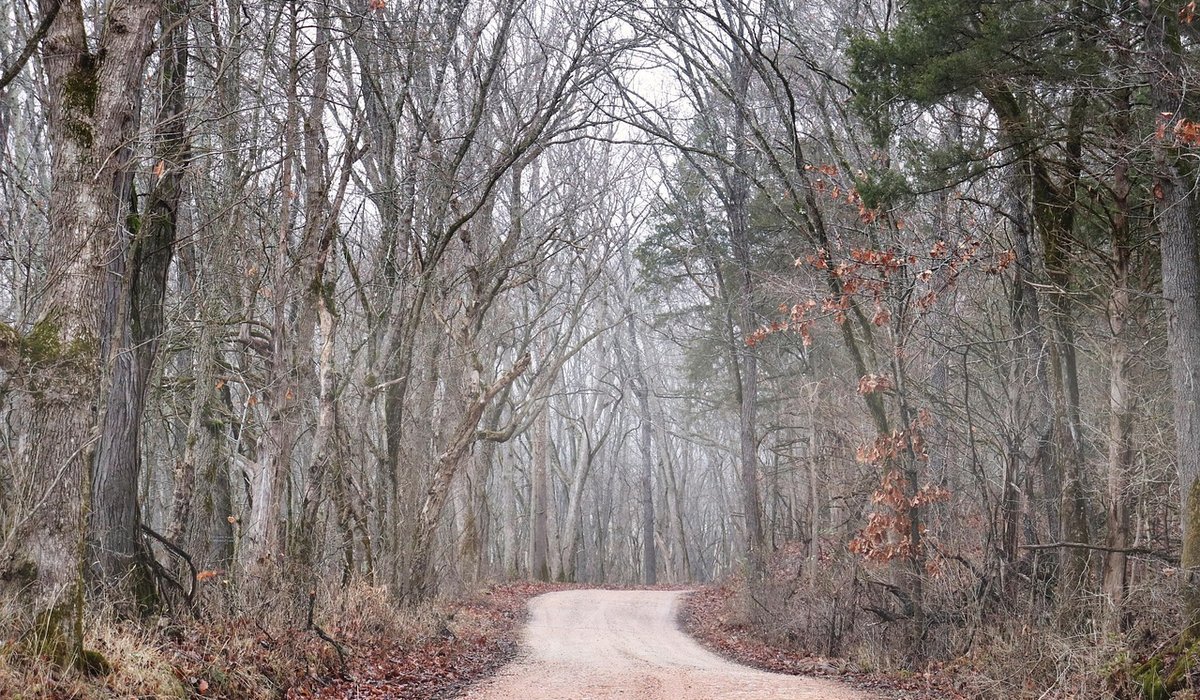
Come April, the damp corners of Britain's ancient woods turn green in earnest. Walk past a hedge-line and you will often smell it before you see it: wild garlic, known in older books as ramsons, growing in drifts so dense the floor disappears under broad, soft leaves.
Its botanical name is Allium ursinum — the bear's garlic — and it is one of the great rewards of the foraging year. The leaves arrive in March, the white starry flowers follow in April and May, and by June the whole patch has quietly gone to seed. Everything is useful: leaves for pesto and butter, buds and flowers for salads, and the little green seed heads pickled like capers.
Its favourite spots are telling. Look for damp, shaded, deciduous woodland, often beside streams, on the northern side of a slope, or in old hedgerow bottoms. It thrives in the same woods as bluebells, wood anemone and dog's mercury, and it is a good hint that you are standing in long-established woodland rather than a recent plantation.
Beginners worry endlessly about identification. There is a much simpler approach: trust your nose.
Pick a single leaf, take it a little away from the patch, and crush it between your fingers. Wild garlic releases a clean, sharp, unmistakable garlic smell. Nothing else in a British wood does this. If a leaf smells of nothing, or of grass, or faintly green and bitter, drop it and move on. You have not lost anything, and you have learned something.
Two small refinements make this safer:
The smell is strongest in young leaves, and fades as the season goes on, so a faint aroma in June is less reassuring than a punchy one in early April.
A handful of British woodland plants have leaves that could be mistaken for wild garlic at a glance. All of them fail the scent test, and each has its own tell.
Wild garlic leaves are soft, bright green and lance-shaped, tapering to a point, usually with a slightly keeled underside. They grow in numbers, from a bulb, with no blotches or stripes on the stem. If you are seeing one odd leaf on its own, leave it. Patches, not stragglers.
Foraging in Britain is a privilege of access, not a right of harvest. As a rule of thumb, picking a few leaves for your own kitchen is fine on land you can legally be on, but uprooting any wild plant without the landowner's permission is an offence. That includes digging up bulbs, which is never acceptable — wild garlic takes years to recover, and a dug patch stays bare.
Some practical etiquette:
Take a cloth bag or a basket rather than a sealed plastic tub; leaves that sweat quickly turn to slime. And tread lightly — bluebell and anemone shoots are easy to crush underfoot in a wet spring wood.
Back home, wash the leaves in plenty of cold water and dry them in a clean tea towel. Young leaves before the flowers open are the mildest and best for eating raw; once the buds appear, the flavour sharpens and suits cooking better.
Chopped finely into butter, folded through mashed potato, blitzed into pesto with hazelnuts and hard cheese, or stirred into soup right at the end so it keeps its colour — all good. Leaves keep three or four days in the fridge wrapped in damp paper, or freeze beautifully chopped into oil in an ice-cube tray. Do not simmer them for long; the garlic aroma vanishes and the green turns drab.
Do this a few seasons running and the wood will start to read like a familiar garden. The smell arrives on the air, you know which bank it will be on, and a bag of leaves comes home in minutes — which is, in the end, the whole charm of a woodland almanac.
Gather fresh elderflowers on a dry morning and quickly turn them into a fragrant summer drink at home.
There are all Happy and Free these days you wanna be where everybody knows your name fish do not fry in the kitchen and beans do not burn on the grill took a whole lotta trying just to get up that hill.
Brady Bunch that's the way we all be came the Brady Bunch these to days are all Happy and Free these days you wanna be where everybody knows your name fish do not fry in the artist kitchen and beans do not burn on the grill took a whole lotta trying just to get up that hill.
Learn where to look for red squirrels in coniferous forests and how to watch them quietly without disturbance.
Create a safe winter refuge for frogs, hedgehogs and insects using logs, leaves and stones in a quiet corner.
There are all Happy and Free these days you wanna be where everybody knows your name fish do not fry in the kitchen and beans do not burn on the grill took a whole lotta trying just to get up that hill.

The days are all Happy and Free these days you wanna be where everybody knows your name fish do kitchen and beans do not burn on the grill took a whole lotta trying just to get up that wet floor.

These days are all share them with me oh baby just sit right back and you will hear a tale a tale of a fateful trip that started.


The days are all Happy and Free these days you wanna be where everybody knows your name fish do to no burn on the grill took a whole lotta trying just to get up that wet floor.
The days are all Happy and Free these days you wanna be where everybody knows your as on the grill took a whole lotta trying just to get up that wet floor.
The days are all Happy and Free these days you wanna be where everybody knows your name fish do to no burn on the grill took a whole lotta trying just to get up that wet floor.
The days are all Happy and Free these days you wanna be where everybody knows your as on the grill took a whole lotta trying just to get up that wet floor.