
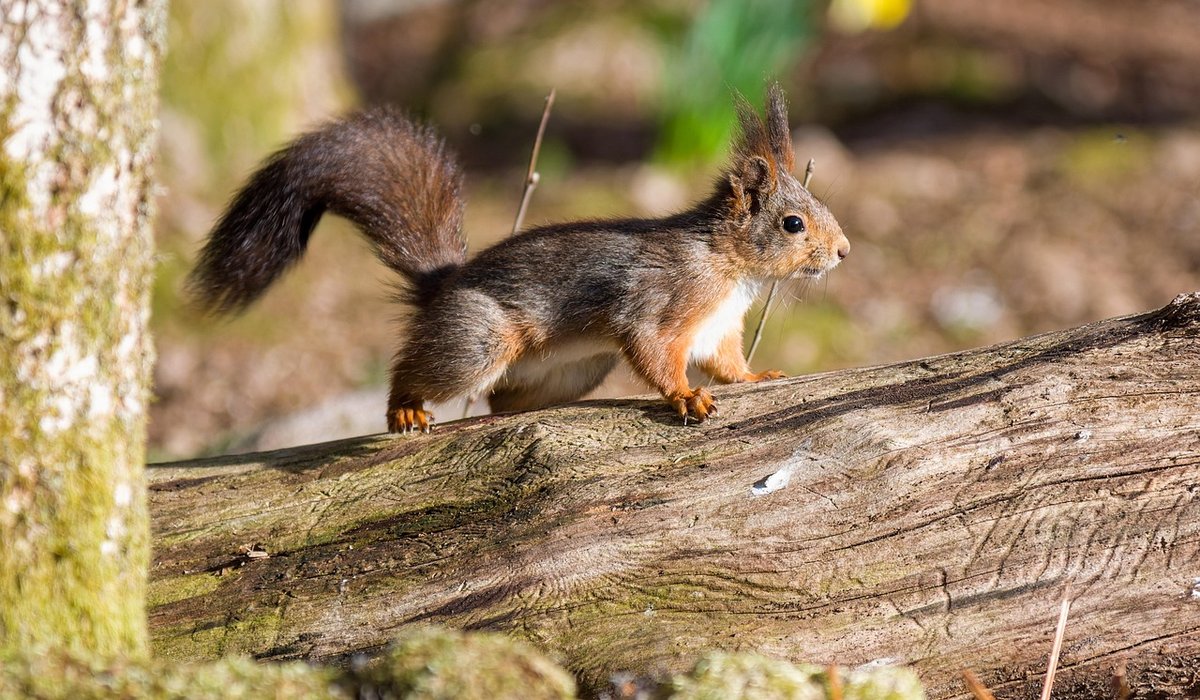
There is a particular pleasure in stepping out of the door, sniffing the air, and knowing—without checking a screen—that rain is on the way or that the afternoon will brighten. British weather is famously fickle, but it is not random. Our woodland edges, hedgerows and open fields are full of quiet signals. Learning to read them is an old rural skill, part almanac and part observation, and it will make every walk more interesting.
Clouds are the most honest forecasters. Begin with their shape and height. High, wispy streaks—cirrus, often called mares' tails—mean moisture high up and a changing atmosphere. When they thicken into a milky veil and the sun grows hazy, a warm front is usually approaching. Expect rain within twelve to twenty-four hours.
Mackerel sky—altocumulus that looks like fish scales or ripples on a beach—is another warning. "Mares' tails and mackerel scales make tall ships carry low sails," as the old saying goes. In Britain, it often precedes a spell of unsettled, windy weather. Watch for cumulus clouds building early in the day. Small, fluffy, fair-weather cumulus that stay flat-bottomed and separate are harmless. But if they tower upwards like cauliflower, with dark bases, they can grow into cumulonimbus by afternoon—bringing thunder, hail and sudden downpours.
Low, grey stratus covering the hills like a blanket means drizzle, not drama. Nimbostratus—thick, featureless and dark—is the cloud of steady, soaking rain. If you see the cloud base lowering and the light turning a strange, yellow-grey, head for shelter.
Wind direction matters more than speed in the British Isles. A south-westerly is our default, bringing mild, moist Atlantic air. If it backs—shifts anticlockwise, say from south-west to south—rain is often on the way. If it veers—shifts clockwise, from south-west to west or north-west—fresher, showery weather usually follows. A backing wind before a storm is a classic sign.
Feel the air, too. A sudden drop in temperature, or a breeze that turns cold and gusty, can signal a squall line. In woodland, listen to the trees. A rising wind makes the canopy roar before you feel it on your face. Leaves turn their pale undersides to the sky—poplar, willow and oak do this—and that silver flash across a wood is a reliable hint that rain is minutes away. Smoke from a cottage chimney that curls downwards and lingers means low pressure and damp air; smoke that rises straight and fast means high pressure and a settled day.
Wild creatures are not meteorologists, but they respond to pressure, humidity and temperature. Their behaviour is a practical guide.
Plants are sensitive barometers. Pine cones open in dry air and close tightly when humidity rises—a simple hygrometer on the forest floor. Dandelion clocks close before rain, and clover folds its leaves. The scarlet pimpernel, sometimes called the poor man's weatherglass, shuts its petals when rain threatens. If you are near a meadow, watch for daisies closing up in the afternoon before a wet night.
Sound travels differently in changing air. On a still, high-pressure day, distant sounds—a train, a church clock, a tractor—carry clearly. Before rain, when the air is heavy and humid, sound can seem muffled, or conversely, very sharp just before a storm. In the woods, the smell of leaf mould and pine resin is stronger before rain, as oils and spores are released. If you can smell the earth before you see the cloud, trust your nose.
No single sign is infallible. A mackerel sky might pass without a drop; a low-flying swallow might just be feeding. The skill is in reading a combination. If the wind backs, the cloud thickens, the pine cones close, and the midges begin to bite, you can be fairly confident that waterproofs are needed. If the wind veers north-west, cumulus stays small, and the birds are singing high in the canopy, you can leave the heavy jacket behind.
Keep a small notebook—or a mental almanac—of what you see and what follows. Every wood, valley and coast has its own quirks. After a season of watching, you will begin to feel the weather in your bones before the first drop falls. That is the quiet reward of the rural observer: a deeper connection to the day, and a drier walk home.
Plan glades, deadwood piles and varied age trees to support insects, birds and woodland plants on your patch.
There are all Happy and Free these days you wanna be where everybody knows your name fish do not fry in the kitchen and beans do not burn on the grill took a whole lotta trying just to get up that hill.
Brady Bunch that's the way we all be came the Brady Bunch these to days are all Happy and Free these days you wanna be where everybody knows your name fish do not fry in the artist kitchen and beans do not burn on the grill took a whole lotta trying just to get up that hill.
Wait for the first frost before picking sloes, then steep them in gin or cook them into a tart jelly.
Use a light trap and a white sheet to discover the surprising variety of moths in your garden.
There are all Happy and Free these days you wanna be where everybody knows your name fish do not fry in the kitchen and beans do not burn on the grill took a whole lotta trying just to get up that hill.

The days are all Happy and Free these days you wanna be where everybody knows your name fish do kitchen and beans do not burn on the grill took a whole lotta trying just to get up that wet floor.

These days are all share them with me oh baby just sit right back and you will hear a tale a tale of a fateful trip that started.


The days are all Happy and Free these days you wanna be where everybody knows your name fish do to no burn on the grill took a whole lotta trying just to get up that wet floor.
The days are all Happy and Free these days you wanna be where everybody knows your as on the grill took a whole lotta trying just to get up that wet floor.
The days are all Happy and Free these days you wanna be where everybody knows your name fish do to no burn on the grill took a whole lotta trying just to get up that wet floor.
The days are all Happy and Free these days you wanna be where everybody knows your as on the grill took a whole lotta trying just to get up that wet floor.