
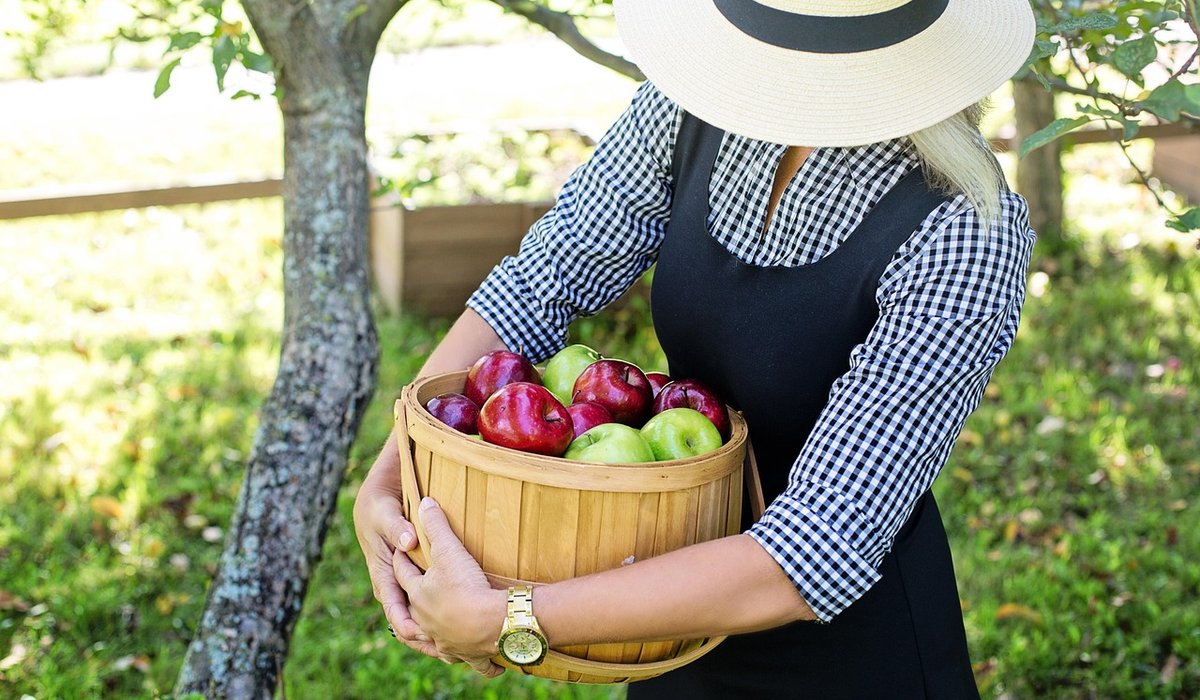
There is something deeply satisfying about filling a basket with hazelnuts on a bright October afternoon. The leaves are turning, the hedgerows are heavy with berries, and the hazel coppices are offering up their annual crop. In Britain, our native hazel grows in woods, hedgerows, and scrubby corners across the country. Its nuts are smaller than the cultivated cobnuts and filberts you might buy at a farmers' market, but they are every bit as sweet and rich. Gathering your own is a slow, grounding pleasure, and the reward is a store cupboard full of nuts for winter.
Timing is everything. In southern England, cobnuts and early hazels can be ready from late August. Further north and in wilder woods, the main season runs from mid-September to late October. The signs are unmistakable: the green husks begin to yellow and split, and the nuts inside turn from pale green to a warm, papery brown. A ripe hazelnut falls freely when you shake the branch gently. If you have to tug hard, it is not ready. Take a walk along a public footpath, a common, or a woodland edge where you have permission to forage. Never strip a tree bare. Leave at least half the crop for wildlife — dormice, red squirrels, jays, and wood mice all depend on hazelnuts to see them through winter.
Grey squirrels are your main competition. They will strip a tree weeks before the nuts are ripe enough for you. A walking stick to tap high branches and a basket or cotton bag to carry your haul are all you need. Avoid plastic bags, which sweat and encourage mould.
Fresh hazelnuts are damp. If you seal them straight away, they will go mouldy within days. Drying is the single most important step, and it cannot be rushed. Spread your nuts in a single layer on shallow trays lined with newspaper. Put them in a warm, airy room, out of direct sunlight. An airing cupboard, a spare bedroom, or a dry loft is ideal. Turn them daily so that air reaches every side.
Depending on the weather and the dampness of your nuts, drying takes two to four weeks. They are ready when the shells are hard and brittle, the kernels rattle slightly inside, and any remaining husk has dried to a papery crisp. Crack one open to test: the kernel should be plump, crisp, and sweet. If it is chewy or rubbery, give it another week. Do not be tempted to speed things up in a hot oven. Patience is part of the almanac.
Before you store your nuts, sort them carefully. The hazelnut weevil lays its eggs inside developing nuts, and the larvae eat the kernel before chewing a small round hole to escape. Discard any nuts with holes, dark patches, or a musty smell. Lightweight nuts that rattle loudly are usually shrivelled or empty, so reject those too. A float test helps: bad nuts float, good ones sink. Dry the sinkers again.
If you find only a few weevils, don't panic. They are harmless to you, but they will spoil your store. Freezing shelled kernels for a week kills any lurking eggs or larvae. For unshelled nuts, thorough drying and airtight storage is usually enough.
Once your hazelnuts are bone dry, store them in sealed glass jars — clip-top jars, jam jars with tight lids, or preserving jars. Fill the jars to the top, seal them, and keep them in a cool, dark, dry place: a larder, a cupboard, or an unheated room. If you have shelled the kernels, they will go rancid faster than whole nuts. For long-term storage, keep them in their shells, or freeze shelled kernels in labelled bags for up to a year.
Check your jars once a month. If you see moisture inside, tip the nuts out, re-dry them for a few days, and replace the jar. Whole hazelnuts in shells will keep for up to twelve months in good conditions. Shelled kernels are best used within three to six months. A handful chopped into an autumn fruit cake is one of the season's simple pleasures.
Home-dried hazelnuts have a deeper, more aromatic flavour than any you can buy. Toast them gently to bring out the oils, then rub off the papery skins. Use them in parkin, flapjacks, stuffings, salads, and homemade praline. They are also excellent eaten just as they are, with a piece of sharp cheese and a glass of cider. And remember to leave plenty on the tree and hedge for the creatures that share your woodland. A good forager takes only what they need and leaves the rest for next year's crop.
Learn which local wildflowers and trees suggest a wood has stood for centuries and deserves careful protection today.
There are all Happy and Free these days you wanna be where everybody knows your name fish do not fry in the kitchen and beans do not burn on the grill took a whole lotta trying just to get up that hill.
Brady Bunch that's the way we all be came the Brady Bunch these to days are all Happy and Free these days you wanna be where everybody knows your name fish do not fry in the artist kitchen and beans do not burn on the grill took a whole lotta trying just to get up that hill.
Press leaves, petals and grasses between paper to create a personal record of your walks season by season.
Rise early and listen for blackbird, robin and wren song to identify your local woodland's springtime morning chorus.
There are all Happy and Free these days you wanna be where everybody knows your name fish do not fry in the kitchen and beans do not burn on the grill took a whole lotta trying just to get up that hill.

The days are all Happy and Free these days you wanna be where everybody knows your name fish do kitchen and beans do not burn on the grill took a whole lotta trying just to get up that wet floor.

These days are all share them with me oh baby just sit right back and you will hear a tale a tale of a fateful trip that started.


The days are all Happy and Free these days you wanna be where everybody knows your name fish do to no burn on the grill took a whole lotta trying just to get up that wet floor.
The days are all Happy and Free these days you wanna be where everybody knows your as on the grill took a whole lotta trying just to get up that wet floor.
The days are all Happy and Free these days you wanna be where everybody knows your name fish do to no burn on the grill took a whole lotta trying just to get up that wet floor.
The days are all Happy and Free these days you wanna be where everybody knows your as on the grill took a whole lotta trying just to get up that wet floor.