
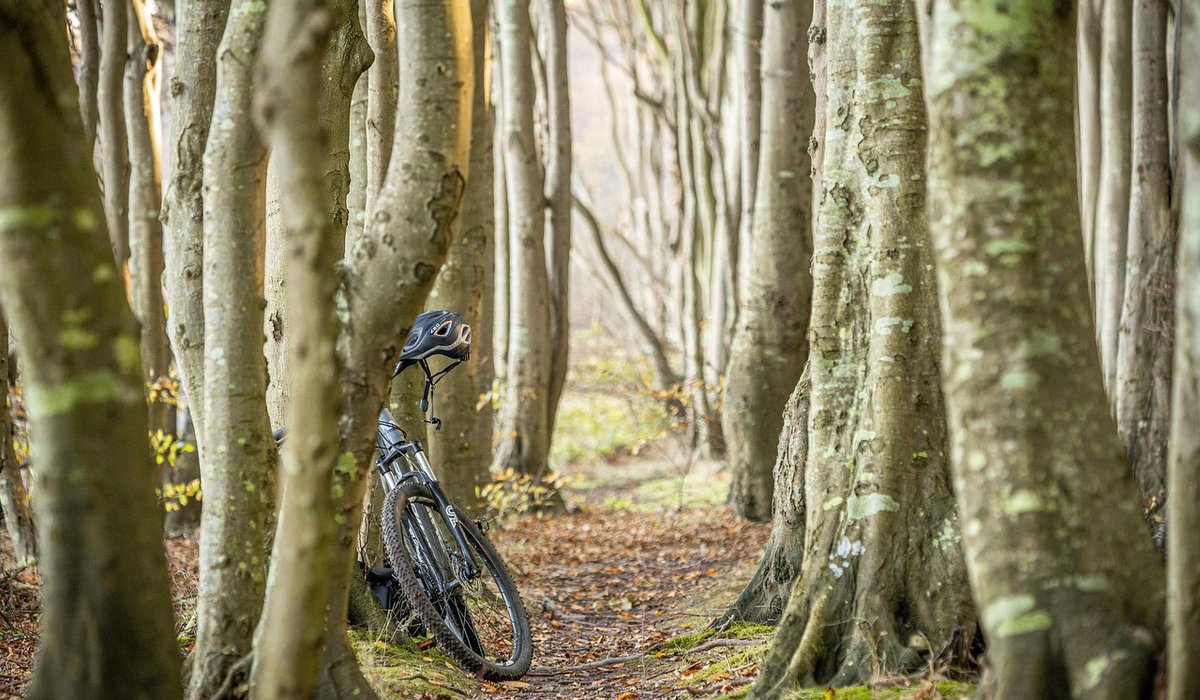
There is a moment on every woodland walk when the trees stop being a green blur and start becoming individuals. An oak looks like an oak. A beech looks like a beech. Getting to that moment does not require a botany degree, a heavy field guide or a notebook full of Latin. It requires knowing three or four things to look at, and looking at them in the right order.
This almanac-style guide covers four trees you will meet on almost any British walk — oak, ash, beech and hazel — plus a few habits that will sharpen your eye faster than any app.
In spring and summer, leaves do most of the work. Start by asking whether the leaves are simple (one blade per stalk) or compound (many leaflets on one stem). That single question halves the possibilities immediately.
Once the leaves are down, the alphabet changes. Now you are reading bark and buds, and the most useful first step is to check how the buds sit on the twig.
Oak buds are rounded, brown and clustered at the twig tips, like a small clenched fist. Mature oak bark is deeply fissured and ridged, often furred with moss on the north side — though not reliably enough to navigate by. Beech is the easy one: smooth, pale grey bark that looks like stretched skin, and long, slender, copper-brown buds that resemble small cigars held out from the twig. Once you can recognise beech buds, you will never confuse the tree again.
February is the ideal month for this. The canopy is open, the light is low and generous, and the buds are swelling but not yet broken.
Hazel is rarely a tall tree. You will find it as a thicket of slender stems, often coppiced, crowding the edge of a path or filling the understorey beneath oak and ash. Its party trick is timing: lambs' tail catkins appear from January onwards, long pale-yellow pendants that hang before any leaf shows. The tiny crimson female flowers sit on the same twigs, no bigger than a pinhead, easy to overlook and worth hunting for.
Later, look for nuts in a leafy, frilly husk. Squirrels, dormice and jays take most of them, but the discarded husks and neatly nibbled shells on the ground tell you exactly where the bush is.
Half of tree identification happens at your feet. Learn these four and you can name a tree without looking up:
Pick one tree and stay with it for five minutes. Look up at the leaves or the bare crown, then down at the bark at eye level, then at the buds on a low twig you can reach, then at the ground beneath. Name it out loud. Do that with four trees over a season and you will know them for life.
Two final courtesies. Take nothing but photographs — leave the acorns, catkins and fallen leaves where other creatures need them. And take your time. The best identification tool you own is a pair of boots and an unhurried hour in a wet February wood.
Discover the links between soil, light and ancient woodland indicators when searching for early blooms in early spring.
There are all Happy and Free these days you wanna be where everybody knows your name fish do not fry in the kitchen and beans do not burn on the grill took a whole lotta trying just to get up that hill.
Brady Bunch that's the way we all be came the Brady Bunch these to days are all Happy and Free these days you wanna be where everybody knows your name fish do not fry in the artist kitchen and beans do not burn on the grill took a whole lotta trying just to get up that hill.
Identify wild garlic leaves by their scent and carefully avoid toxic lookalikes with this safe simple field guide.
Gather fresh elderflowers on a dry morning and quickly turn them into a fragrant summer drink at home.
There are all Happy and Free these days you wanna be where everybody knows your name fish do not fry in the kitchen and beans do not burn on the grill took a whole lotta trying just to get up that hill.

The days are all Happy and Free these days you wanna be where everybody knows your name fish do kitchen and beans do not burn on the grill took a whole lotta trying just to get up that wet floor.

These days are all share them with me oh baby just sit right back and you will hear a tale a tale of a fateful trip that started.


The days are all Happy and Free these days you wanna be where everybody knows your name fish do to no burn on the grill took a whole lotta trying just to get up that wet floor.
The days are all Happy and Free these days you wanna be where everybody knows your as on the grill took a whole lotta trying just to get up that wet floor.
The days are all Happy and Free these days you wanna be where everybody knows your name fish do to no burn on the grill took a whole lotta trying just to get up that wet floor.
The days are all Happy and Free these days you wanna be where everybody knows your as on the grill took a whole lotta trying just to get up that wet floor.