
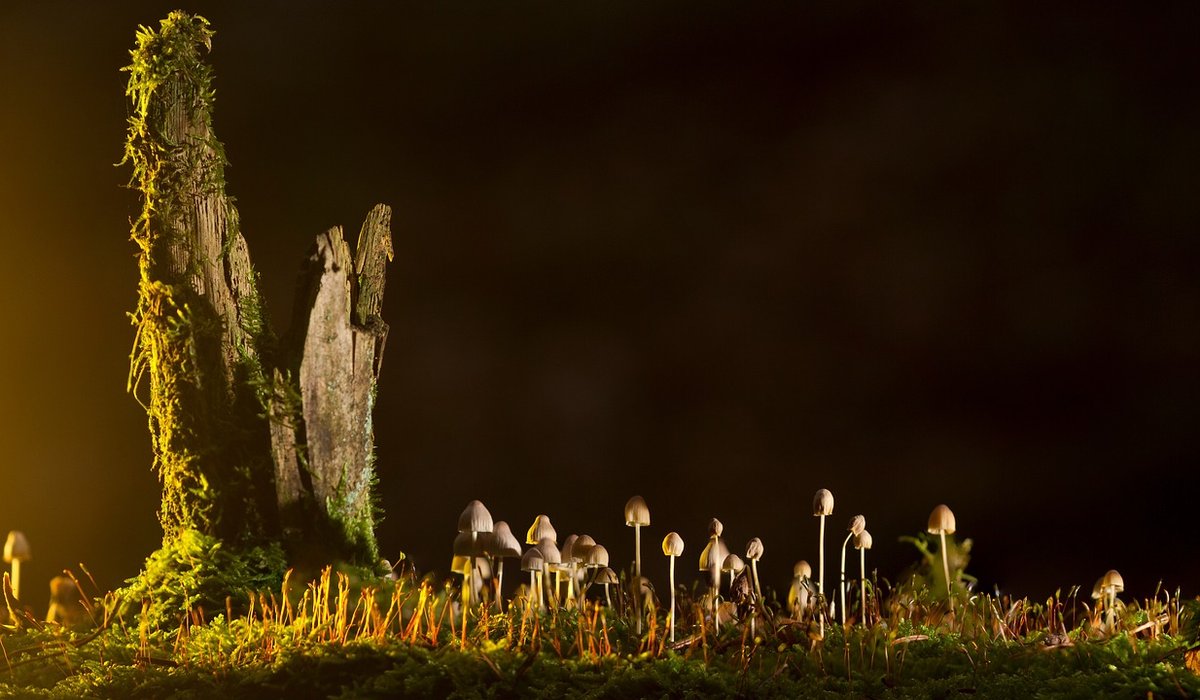
There is a quiet magic in noticing the first celandine of the year, or the moment the robin begins to sing again after the long silence of midsummer. A nature diary is simply a record of these small, recurring events. It need not be a scientific logbook, bound in leather and ruled with precision. A few lines in a pocket notebook, or a note on your phone, will do. The reward is a deeper, more textured connection with the British countryside — its woodlands, hedgerows, and the rural rhythms that have shaped our calendar for centuries.
Keeping a diary sharpens your senses. When you know you will write down the first frost or the first chiffchaff's song, you listen more closely. You notice the way the light changes in late August, or how the oak leaves stiffen before they fall. Over a year or two, patterns emerge: the average date of the last spring frost, the order in which trees come into leaf, the week the swifts arrive. These are not just facts; they are threads that tie you to a place. For nature lovers, a diary turns a casual walk into a treasure hunt. It also creates a personal almanac — a record of your own patch, be it a city park, a village hedgerow, or a stretch of ancient woodland.
You need very little to begin. A small notebook and a pencil are ideal, though a phone note works well too. For each entry, record the date, time, location, and weather. Then note what you saw or heard. Be specific: not just "saw a bird", but "heard first song thrush of the year, repeating phrases from the top of a hawthorn". A simple layout helps:
Keep it short. A few minutes at the end of a walk is enough. The key is consistency, not volume.
In Britain, the order in which trees leaf out is a reliable marker of spring. Watch a single oak, ash, or beech near you. Note the date the first leaves unfurl. There is an old rhyme: "Oak before ash, in for a splash; ash before oak, in for a soak." It is not infallible, but it is a delightful thing to test. Hawthorn — the May tree — comes into leaf and flower in quick succession, usually by early May. Blackthorn blossoms earlier, often in March, on bare black twigs. Record these firsts. In autumn, note when leaves begin to turn: field maple first, then birch, then oak. The last leaf to fall is often the oak's, sometimes not until late November. A diary of leaf dates becomes a portrait of your local woodland's character.
Bird song is the most rewarding diary entry because it is so immediate. Start with the dawn chorus. In late February, the great tit and robin begin to sing. By March, blackbirds and song thrushes join in. The first chiffchaff — a simple, repetitive "chiff-chaff" — usually arrives in mid-March. The cuckoo calls in late April. Swifts scream over rooftops in early May. Then, after midsummer, a hush falls. The robin sings again in September, a wistful autumn song. Redwings and fieldfares arrive from Scandinavia in October and November. Write down the first date you hear each species. Over years, you will see how weather shifts these dates. A late frost can silence the dawn chorus; a warm March can bring the chiffchaff a week early.
For anyone interested in rural life, frost dates are essential. Note the first autumn frost (often in October or November) and the last spring frost (often in April or May). Gardeners and farmers have long watched these. A late frost can blacken potato shoots or ruin apple blossom. In frost hollows — low spots where cold air pools — you may see frost a full month after the surrounding fields are clear. Record it. Also note the rural calendar: lambing in March, haymaking in June, harvest in August, acorn drop in October. These events are tied to the same weather patterns. Your diary will start to read like a traditional almanac, with your own observations at its heart.
The best diary is the one you actually keep. Choose a regular route — a woodland path, a canal towpath, a loop around the fields — and walk it at least once a week. Keep your notebook in your coat pocket. At the end of each month, spend ten minutes reading back. Look for patterns. Did the oak leaf before the ash this year? Was the first frost earlier than last year? Share your findings with a friend or a local wildlife group. Do not worry about missing a day. A nature diary is forgiving. Its purpose is not perfection but attention. Over time, you will build a personal almanac — a quiet, precious record of the British seasons, written in your own hand.
Learn how hedge laying creates stock-proof barriers and valuable habitat for birds and small mammals in rural areas.
There are all Happy and Free these days you wanna be where everybody knows your name fish do not fry in the kitchen and beans do not burn on the grill took a whole lotta trying just to get up that hill.
Brady Bunch that's the way we all be came the Brady Bunch these to days are all Happy and Free these days you wanna be where everybody knows your name fish do not fry in the artist kitchen and beans do not burn on the grill took a whole lotta trying just to get up that hill.
Choose hawthorn, blackthorn and hazel to create a dense boundary that feeds birds and blocks cold winter wind.
Study pellets, tracks and feathers to learn which birds and animals share your local wood quietly without disturbance.
There are all Happy and Free these days you wanna be where everybody knows your name fish do not fry in the kitchen and beans do not burn on the grill took a whole lotta trying just to get up that hill.

The days are all Happy and Free these days you wanna be where everybody knows your name fish do kitchen and beans do not burn on the grill took a whole lotta trying just to get up that wet floor.

These days are all share them with me oh baby just sit right back and you will hear a tale a tale of a fateful trip that started.


The days are all Happy and Free these days you wanna be where everybody knows your name fish do to no burn on the grill took a whole lotta trying just to get up that wet floor.
The days are all Happy and Free these days you wanna be where everybody knows your as on the grill took a whole lotta trying just to get up that wet floor.
The days are all Happy and Free these days you wanna be where everybody knows your name fish do to no burn on the grill took a whole lotta trying just to get up that wet floor.
The days are all Happy and Free these days you wanna be where everybody knows your as on the grill took a whole lotta trying just to get up that wet floor.