
In Britain, "ancient woodland" is not a term of affection — it has a precise meaning. It describes land that has been continuously wooded since at least 1600, or 1750 in Scotland. Everything else, however lovely, is secondary woodland that grew up on old fields, quarries or railway cuttings. The distinction matters because ancient woods hold communities of plants and invertebrates that took centuries to assemble, and no amount of planting can recreate them.
Maps, tithe records and estate plans help, but they are patchy. That is why ecologists lean so heavily on the plants themselves. Certain species are slow to spread and poor at crossing open ground. Where a good suite of them occurs together, the odds are strong that the site has been wooded for a very long time.
April to early June is the golden window. The canopy is still open, bluebells and anemones are in flower, and identification is straightforward. Look for these classic indicators:
Others worth knowing include sanicle, wood spurge, greater stitchwort, wood melick, thin-spiked wood-sedge and, on wetter ground, the hay-scented buckler fern. Some, like primrose and bluebell, also turn up in hedges and new plantations, so treat them as supporting evidence rather than proof.
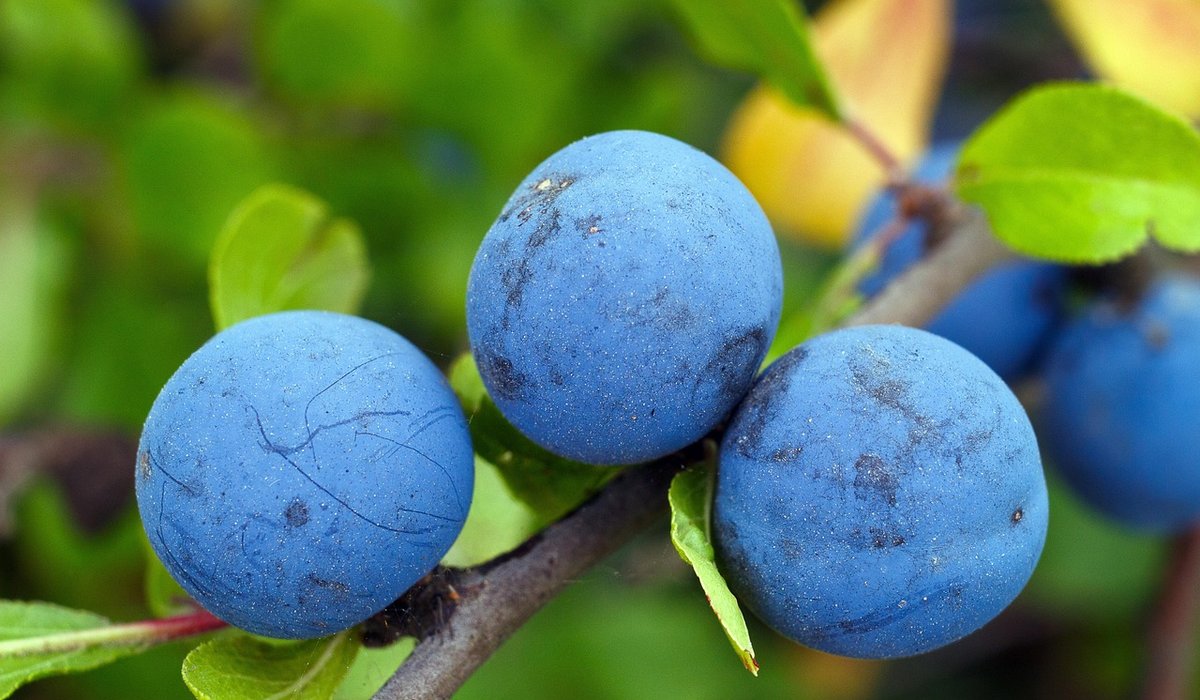
The woody layer carries its own clues. Small-leaved lime, wild service tree and midland hawthorn are all poor colonisers, and their presence in a hedgerow or wood margin is a strong hint of antiquity. So are spindle, wild pear and, in the south, butcher's broom.
Look at structure as well as species. Old coppice stools — wide, mossy stumps carrying multiple stems — show that a wood was worked on a rotation, often for centuries. Boundary banks and ditches, veteran pollards and a scatter of ancient trees among younger growth all point the same way. A wood that has never been cleared tends to be untidy in the best sense: deadwood on the ground, light gaps, bramble patches and a rich, sheltered edge.
Indicator lists are regional tools, not universal rules. A species that signals antiquity in Essex may be commonplace in Devon or Argyll. Soil chemistry, drainage, altitude and climate all filter which plants can survive in a particular wood. Local county checklists, usually produced by a wildlife trust or records centre, are far more useful than any national list.
Be wary of planted natives, garden escapes and deliberate introductions. Snowdrops, daffodils, Spanish bluebells and variegated yellow archangel all spread from old gardens and churchyards, and they can muddy the picture considerably. Remember too that coniferisation, drainage or heavy grazing can strip out a ground flora while the wood's continuity remains intact. Absence of indicators is not proof of recent origin; the presence of a dozen is a strong argument for care.
Ancient woodland now covers barely 2.5 per cent of the UK's land surface, and much of what survives is small and fragmented. If you suspect you have found an unrecorded example, the practical steps are simple: report it, and say plainly why it matters. Good records feed into planning decisions, site designations and management advice, and they carry far more weight than a general impression that a wood "looks old".
In the meantime, tread lightly. Never dig up wildflowers — it is an offence to uproot any wild plant without the landowner's permission — and leave fallen timber where it lies, because it is habitat rather than litter. The best guardians of these woods are the people who know them season by season, and who can say with confidence what grows there and why it deserves to stay.
Press leaves, petals and grasses between paper to create a personal record of your walks season by season.
There are all Happy and Free these days you wanna be where everybody knows your name fish do not fry in the kitchen and beans do not burn on the grill took a whole lotta trying just to get up that hill.
Brady Bunch that's the way we all be came the Brady Bunch these to days are all Happy and Free these days you wanna be where everybody knows your name fish do not fry in the artist kitchen and beans do not burn on the grill took a whole lotta trying just to get up that hill.
Rise early and listen for blackbird, robin and wren song to identify your local woodland's springtime morning chorus.
Note the first swallow, primrose and frogspawn you see each spring to build a personal yearly wildlife record.
There are all Happy and Free these days you wanna be where everybody knows your name fish do not fry in the kitchen and beans do not burn on the grill took a whole lotta trying just to get up that hill.

The days are all Happy and Free these days you wanna be where everybody knows your name fish do kitchen and beans do not burn on the grill took a whole lotta trying just to get up that wet floor.

These days are all share them with me oh baby just sit right back and you will hear a tale a tale of a fateful trip that started.


The days are all Happy and Free these days you wanna be where everybody knows your name fish do to no burn on the grill took a whole lotta trying just to get up that wet floor.
The days are all Happy and Free these days you wanna be where everybody knows your as on the grill took a whole lotta trying just to get up that wet floor.
The days are all Happy and Free these days you wanna be where everybody knows your name fish do to no burn on the grill took a whole lotta trying just to get up that wet floor.
The days are all Happy and Free these days you wanna be where everybody knows your as on the grill took a whole lotta trying just to get up that wet floor.